October 12, 2026



The Saturday market and the CSA box promise the same thing: food grown close to home, sold by people you could actually call on the phone. The difference is in how they ask you to pay for it, plan for it, and cook it.
One is a weekly outing with cash in your pocket and a tote bag on your shoulder. The other is a subscription that shows up whether or not you have a plan for six pounds of zucchini. Neither is automatically cheaper, and neither is automatically better. It depends on how your household eats, shops, and survives a Tuesday night.
At a market, you buy dinner, not a season. That means you can pick up two tomatoes and a bunch of basil on a week when the fridge is already full, or load up when you're cooking for a crowd. You can ask the grower which peach is ripest today, taste a sample, and change your mind twice before you pay. For a household with shifting schedules or picky eaters, that flexibility is worth a lot.
The flip side is that markets make it easy to spend more than you meant to. Vendors sit next to each other, and the stand with the cheese, the bread, and the cold brew is rarely the cheapest place to buy a week of vegetables. A few habits help:
Check whether your market accepts SNAP/EBT benefits, and whether it runs a matching program that stretches those dollars. Ask at the market info booth or look up the market's own website.
Community supported agriculture flips the payment order. You pay a farm before or at the start of the season, and in return you get a share of whatever it harvests — usually a box a week, sometimes every other week. The upfront money matters to the farm: it covers seed, labor, and fuel in the lean early weeks before anything is ready to sell.
Shares vary more than people expect. There are small, half, and full vegetable shares, plus add-ons for fruit, eggs, meat, dairy, or flowers. Some farms deliver to your door or to a neighborhood pickup site. Some let you swap items from a choice table or skip a week when you're traveling. Others hand you a box and a newsletter, take it or leave it. Ask before you sign, because "CSA" describes a payment model, not a specific set of rules.
A CSA asks for a lump sum in late winter or early spring, which is exactly when many household budgets are tight. A market spreads the same spending across months. If the lump sum is the obstacle, ask farms about installment plans — many offer them — or split a share with a neighbor and alternate pickup weeks.
Per-item value on a CSA share only holds if you eat what arrives. Before committing, do a two-week experiment: keep a bowl on the counter for anything you throw away. If you're routinely composting half a crisper drawer, a large share probably isn't the bargain it looks like. A half share plus a market trip may cost the same and feed you better.
It's easy to compare a CSA's vegetable cost against a market haul that includes coffee, a pastry, and a bunch of dahlias. Compare vegetables to vegetables, and count add-on shares on both sides.
The market costs you a morning. You drive or walk there, find parking, weave through crowds, and make a dozen small decisions. You leave with exactly what you chose.
A CSA costs you a calendar reminder. Pickup windows are often just a few hours on a weekday afternoon, and missing one usually means your vegetables get donated. Some farms offer delivery for an added fee; others let you send a friend in your place. In exchange, the deciding is done for you. Dinner starts with the box on the counter, not with a shopping list.
Most farmers markets run from spring into late fall, and a growing number operate year-round indoors, selling storage crops, greens, meat, and bread through the cold months. A CSA follows one farm's growing season, which typically means most of that window, sometimes with a separate winter share of squash, roots, and storage onions.
Variety is where the two diverge most. At a market you curate: if you hate beets, you never bring home beets. In a CSA the farm curates, and you learn to work with what the weather gave. That's a feature for cooks who want to be pushed and a genuine hassle for households with strong preferences. Many farms publish a month-by-month harvest list or a sample box, so you can see what August actually looks like before you buy in.
You don't have to choose. A small or biweekly share covers the staples and pushes you to cook seasonally, while a short market trip fills the gaps: fruit your farm doesn't grow, eggs, bread, the specific peppers a recipe calls for. Splitting a share with a friend works the same way, and it halves both the cost and the volume risk.
Whichever route you take, a few habits keep the food from going soft in the drawer. Keep a running list on the fridge of what's in the box. Cook the fragile greens first and save the roots for later in the week. If you're drowning in tomatoes or zucchini, blanch and freeze them rather than waiting to see what happens.
The right option is the one your household will actually use. Work out roughly what you spend on produce in a month, then pick the setup that puts more vegetables on your plate with less waste — that's the cheaper one, whatever the sticker says. And if a large upfront commitment would strain your budget, talk it through with someone you trust, or a financial advisor, before you sign up for the season.
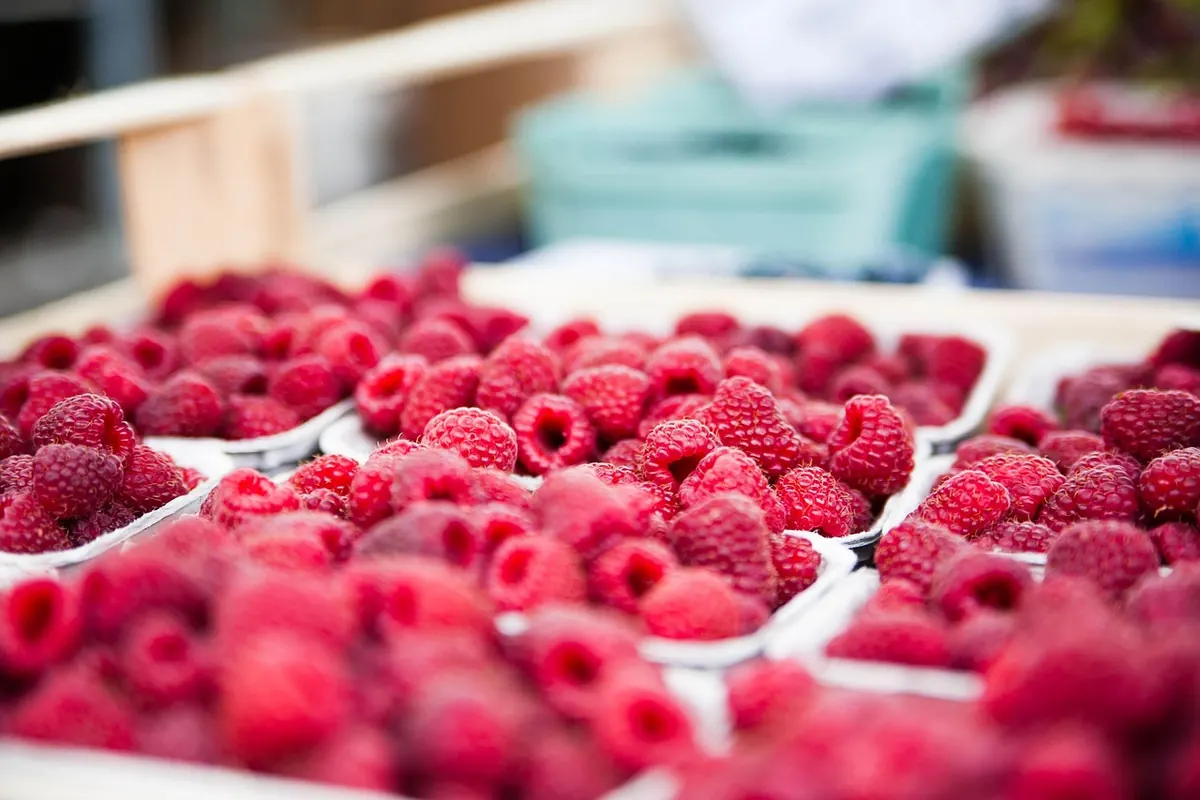
Photo: AndreasAux / Pixabay

News and updates from the hall community.
Copyright © 2026 The Hall Times. All rights reserved. The Hall Times.