October 12, 2026



You park at 7:40 on a Thursday, walk two blocks to the show, and come back two hours later to a yellow envelope under the wiper. Nothing about the spot felt wrong. The sign was small, the light was bad, and the meter clearly said something — you just weren't sure what.
That is the exact situation the updated downtown parking rules were written for. The changes are not complicated, but they are easy to miss, because most of them take effect after the part of the day when people are paying close attention. Here is what shifted, and how to park at night without donating money to the city.
Three shifts matter for anyone heading downtown in the evening.
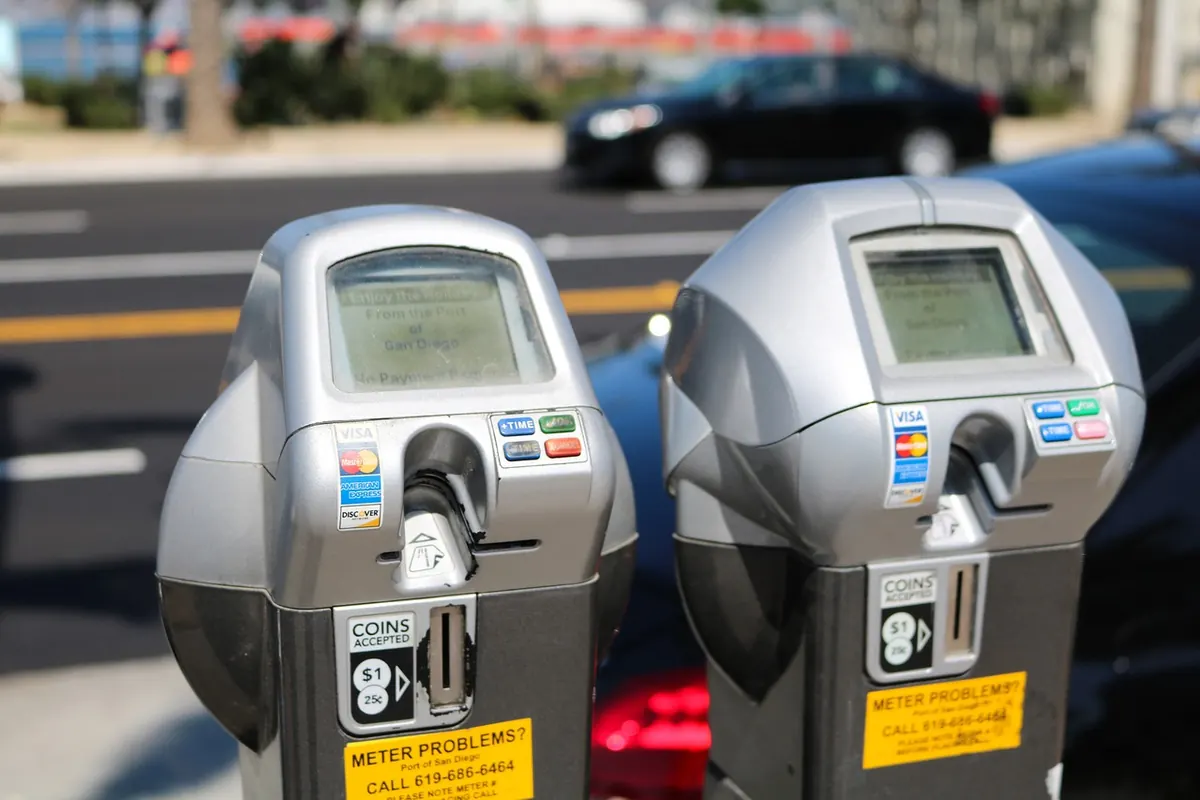
Paid hours run later. On many downtown blocks, meters and pay stations that once stopped charging in the late afternoon now collect well into the evening. The practical effect is simple: the hour you used to park free while grabbing dinner is now a paid hour, and an app session you set to end at 6 p.m. will not cover you at 7.
Permit zones stay restricted longer. Blocks that opened to anyone once the workday ended may now remain permit-only late into the night, particularly on streets near large venues. A spot that looked like a gift at 8 p.m. can be the most expensive place you park all week.
Enforcement is faster and quieter. Handheld license-plate readers and timestamped photos mean a car can be checked twice in a few minutes without an officer walking the block. Written warnings still happen, but they are less common than they were.
None of this makes downtown harder to use. It means the rules now follow the evening crowd, and the sign on your block decides whether you're parked legally — not the habit you built three summers ago.
Parking signs are not decoration. They are the contract, and enforcement follows the sign nearest your car, not the one you remember from last year.
Take one photo of the sign and one of your car's position. It takes four seconds and settles most disputes later.
If you live downtown, or you're visiting someone who does, permits do more work in the evening than they used to. Programs vary, but most handle night parking differently from daytime parking, and the details are where people get caught.
Permits are usually tied to a license plate rather than a sticker, which means a permit from your old car does nothing for the new one. If you changed vehicles or moved within the past year, confirm that your plate is still on file before you rely on it.
Two questions worth answering in advance:
If you run a business with evening staff or a late closing time, check whether a business permit covers employee vehicles after hours. Assumptions here tend to surface as a stack of tickets on Monday morning.
The pattern behind most night tickets is not carelessness. It's speed. These are the ones that show up again and again.
Good evening parking is mostly a matter of deciding before you leave the house.
Pick your destination and choose a garage or a paid lot first if the event is popular; street parking around venues fills early, and circling costs more in fuel and temper than the garage fee. If you do park on the street, pay for the full length of the event plus a buffer, set a phone alarm for ten minutes before the session expires, and top up from your seat if the app allows it. Then walk back to the car before the posted end of paid hours rather than after.
One more habit: if the block has two signs on the same pole, read both and photograph both. Conflict between signs is the most common grounds for a successful appeal, but only if you have a picture that shows what you were looking at.
Do not ignore it. Read the citation for the location, the time, the violation code and the deadline to pay or contest — those deadlines are usually strict, and missing one usually closes your options.
Then build your side of the story while it's fresh. Photograph the sign nearest your car and the position of the vehicle. Take screenshots of your parking app receipt, including the zone number and the time you paid. If you fed a meter with a card, keep the statement entry. If the ticket lists a time when your car wasn't there, or a street you never parked on, say so in writing using the process printed on the citation.
For a small meter ticket, contesting is usually a simple online or mail process. If a citation escalates to a court date, or if you're dealing with something beyond a parking violation, it's worth talking to a lawyer rather than guessing at the procedure. This is general guidance, not legal advice.
The new evening rules exist so that downtown works for people who are out after dark — diners, theatregoers, staff finishing late shifts. Learning the signs once takes a few minutes. Paying for not knowing them takes longer.
Photo: D-Vu / Pixabay

News and updates from the hall community.
Copyright © 2026 The Hall Times. All rights reserved. The Hall Times.